A Beginner's Guide to Reading Travel Insurance Policies
Most travel insurance policies are bought in a hurry — a few clicks at the end of a booking, often late at night — and the actual policy wording arrives as a long PDF you never open. That's understandable. It's also how people end up disappointed at an airport desk or a hospital cashier's window. The good news is that you don't need to read all of it. You need to read a handful of specific things, and know where they sit.
Start with the schedule, not the wording
Every policy comes in two parts. The schedule (sometimes called the certificate or policy summary) is the short front page: who's insured, the trip dates, the destination area, the excess, the cover limits. The policy wording is the rulebook underneath it.
Read the schedule first and check it against reality:
- Names spelled exactly as they appear on passports.
- Dates that include every day you're away, including overnight flights and the day you land back home.
- The destination area, checked against the insurer's own country list. "Europe" doesn't always mean what you assume, and a stopover outside your area may need extra cover.
- The excess — the amount deducted from every claim. It's often per person, per claim, or per section.
Small mismatches here cause a surprising number of problems later. If anything is wrong, ask for the schedule to be reissued before you travel.
Exclusions and conditions: the two lists that decide claims
Every policy has a list of exclusions (what isn't covered) and another of conditions (what you must do for cover to apply). Read both. Exclusions usually include being under the influence of alcohol or drugs, taking part in activities the policy classes as hazardous, travelling against medical advice, and leaving baggage unattended. Conditions are the practical obligations: reporting a theft to the police, getting written confirmation from an airline, keeping receipts, or calling the insurer's emergency line before non-urgent treatment.
Exclusions tell you what the policy won't pay for. Conditions tell you what you have to do when something goes wrong. Both can end a claim.
Pay attention to wording that sounds vague but isn't: "reasonable", "necessary", "unattended", "close relative". Insurers usually define these in the definitions section at the front. It's short, and reading it changes how you interpret everything else.
Medical cover: read this section twice
Medical costs are where the amounts get serious, and where policies differ most. Check:
- Emergency treatment and repatriation. Repatriation — getting you home, with a medical escort if needed — is often the biggest single cost. Make sure the limit is high enough that you'd never have to worry about it.
- Whether treatment must be authorised in advance. Many policies require you to call the 24-hour assistance line before treatment, except in a genuine emergency. Save that number in your phone before you fly.
- Pre-existing conditions. If you have any ongoing condition — including ones that are stable and well managed — declare it and get the insurer's answer in writing. Most insurers can cover declared conditions for an extra premium, sometimes after a medical screening. An undeclared condition is one of the most common reasons a large medical claim is refused.
- Per-condition versus overall limits. A large overall limit sounds vast until you read that a single condition is capped far lower.
If you hold a UK Global Health Insurance Card, it can reduce the cost of state-provided treatment in some countries, but it won't cover repatriation, private care, or anything outside the health system. It supports your insurance; it doesn't replace it.
If your medical history is complicated, speak to a specialist travel insurance provider or broker rather than clicking through a comparison site. For anything with legal, medical or financial consequences, take advice from a qualified professional.
Cancellation, curtailment and delays
Cancellation cover reimburses you for money you can't recover if you have to cancel before you go. Compare the limit with the real cost of your trip — flights, accommodation, tours, and anything non-refundable. Then look at which reasons are covered. Illness, injury, bereavement, jury service, redundancy and damage to your home are typical. A change of mind, or a wedding you'd rather skip, generally isn't.
Curtailment is the mid-trip version: cover for coming home early for a covered reason. Delays and missed departures are usually handled separately, with a time threshold before benefits start. If your flight is delayed or cancelled, ask the airline for written confirmation at the time — it's much harder to obtain three weeks later.
Baggage, gadgets and valuables
Baggage cover is where the gap between the headline figure and the payout is widest. You'll often see a generous total limit, then a much smaller limit per item, plus an excess, plus a deduction for wear and tear.
- Check the single-item limit. A laptop, camera or hearing aid may exceed it.
- Check how the policy treats valuables in checked luggage. Many exclude them entirely.
- Check what proof of ownership is required — receipts, bank statements, a photo of the serial number.
- Check the definition of unattended, and whether items in a hotel safe are treated differently.
Two habits make claims much easier: photograph your packed bag before you check it in, and keep receipts or order confirmations in a cloud folder you can reach from your phone.
How to make a claim
- Sort out the emergency first. Safety and medical care come before paperwork.
- Call the assistance line as soon as it's practical, and before non-urgent treatment where the policy requires it.
- Report losses properly. Theft usually needs a police report; delays need an airline letter; medical claims need reports and invoices.
- Collect evidence as it happens. Receipts, boarding passes, photographs, names and reference numbers.
- Submit the claim promptly and honestly. Keep it factual, attach copies rather than originals, and note the date you sent it.
- Follow up in writing. Quote your claim reference and the clause you're claiming under.
Remember the excess. Even a straightforward claim will usually have it deducted, and it applies per person or per section in many policies.
If a claim is declined and you think the decision is wrong, ask for the reasons in writing and point to the specific clause you believe applies. If you still disagree, use the insurer's formal complaints process. UK policies are generally covered by the Financial Ombudsman Service if the complaint isn't resolved.
Your pre-trip check, in five minutes
Before you pay for any policy, run through this:
- Are the dates and destination area right?
- Have I declared every medical condition and prescription?
- Are the activities I'm planning covered — scooter hire, skiing, cycling, hiking, water sports?
- Is the cancellation limit close to the real cost of the trip?
- Can I live with the excess if something goes wrong?
- Is the emergency assistance number saved in my phone and written on a card in my wallet?
Then save the policy and schedule offline. Reading four pages carefully takes a few minutes; discovering the gap between what you assumed and what's written at the point of a claim takes a great deal longer.
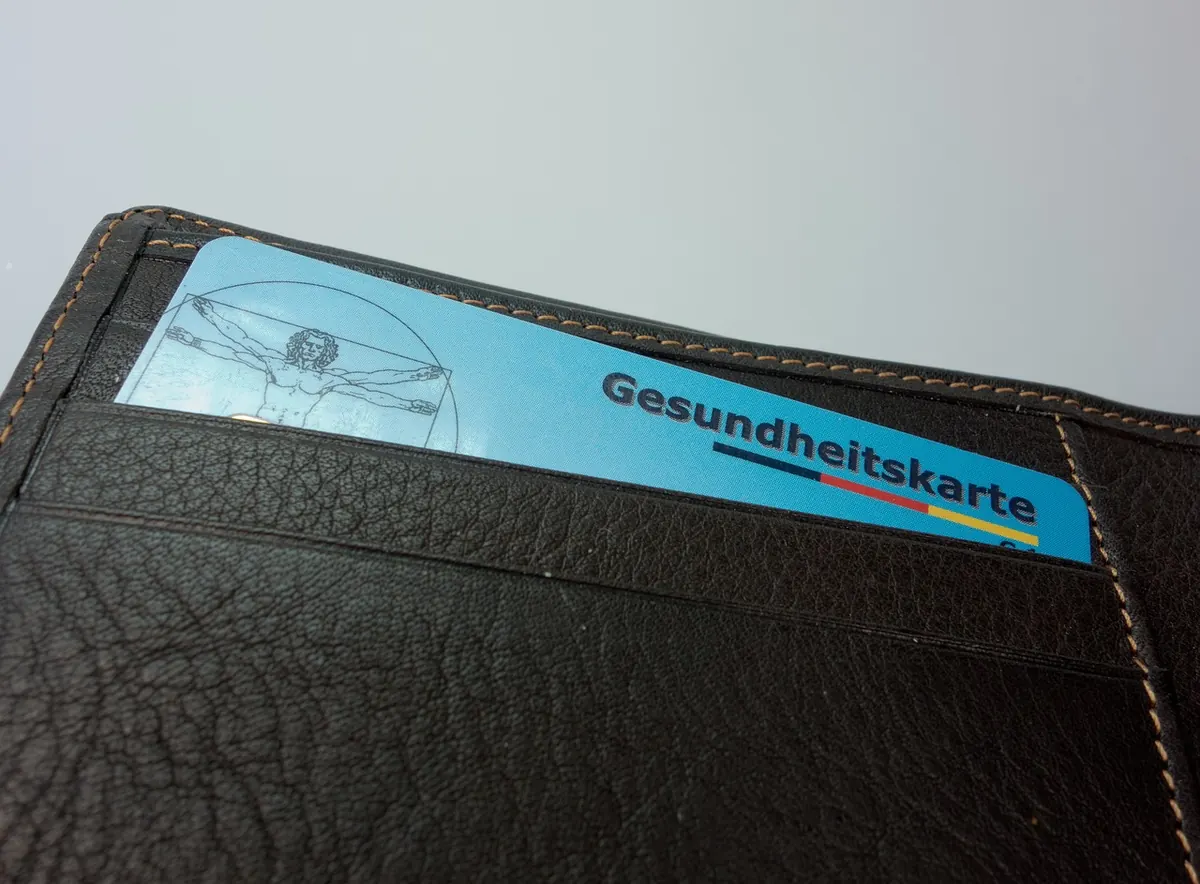
Photo: blickpixel / Pixabay