How to Plan a Budget Weekend Break in the Lake District
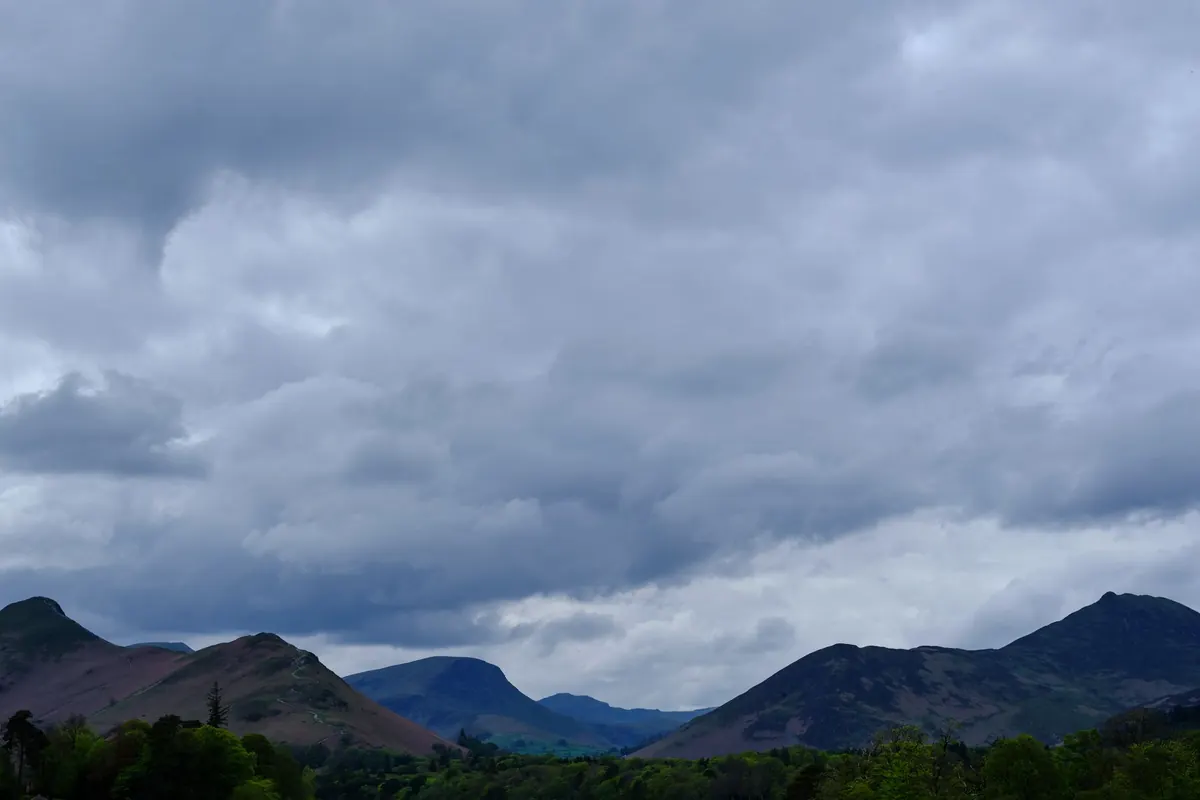
The Lake District has a reputation for being an expensive weekend away, and it can be. Book a lakeside hotel, eat out twice a day and add a boat trip, and two nights will cost more than a week in southern Spain. But the fells are free, the villages are closer together than most first-timers expect, and the buses run later than people assume. With a little forward planning, a two-night break can cost roughly what a decent weekend at home would.
Here is how to build one, in the order the decisions actually matter.
Pick your base before you look at anything else
Almost every budget decision follows from where you sleep. Windermere and Bowness are the busiest, most expensive and most heavily booked options. Ambleside sits at the head of the lake with shops, buses and walks starting from the door. Keswick is the northern hub, useful for Derwentwater, Borrowdale and the northern fells, and it has a good range of cheap beds. Grasmere, Coniston and Borrowdale are quieter and often better value outside peak weeks.
If you are arriving by train, stay somewhere on or near the Windermere branch line, or on a direct bus route from it, and you can forget taxis entirely. If you are driving, chain hotels tend to sit just outside the national park, at Kendal or Penrith, where rooms are cheaper and parking is easier, at the cost of a longer drive each morning.
One check before you commit: does your chosen village have a bus stop, a small shop and a pub within walking distance? Get those three and you can leave the car parked for the whole weekend, which is where the real savings hide.
Getting there and getting around
Getting to the Lakes
By rail, the West Coast main line brings you to Oxenholme or Penrith, with a branch line running from Oxenholme through Kendal and Staveley to Windermere. Advance tickets bought a few weeks ahead are dramatically cheaper than walk-up fares, and if you will travel more than once or twice, a railcard usually pays for itself quickly. Splitting a long journey into two tickets sometimes costs less than one through fare, so it is worth comparing.
By car, you are looking at the M6 and junctions 36 to 40. Fuel is rarely the biggest cost. Parking is. Pay-and-display charges apply in every popular village and at most trailheads, and the busiest car parks fill by mid-morning in summer. Park once at your accommodation and move around by bus.
Getting around once you are there
Stagecoach runs the main network, including the useful Lakeslink service that links Windermere, Ambleside, Grasmere and Keswick, and open-top routes along the lake in summer. Day and multi-day bus tickets are usually better value than paying for singles if you are making more than a couple of journeys. Above all, check the time of the last bus back before you set off on a walk. Rural timetables thin out sharply in the evening and on Sundays.
Where to sleep for less
YHA runs hostels across the park, including Ambleside, Keswick and Buttermere, and there are plenty of independent hostels, bunkhouses and camping barns alongside them. Camping pods and small campsites suit couples who want a bit of privacy without a hotel bill. Rooms above pubs are often reasonable, especially midweek, and self-catering cottages become good value if you are splitting the cost between four people.
- Book direct with hostels and small sites. You will often see the same bed cheaper than through a booking site, and you can ask about the quietest dorm.
- Check minimum stays. Two-night minimums are common at weekends, which suits a Friday-to-Sunday trip anyway.
- Look at Sunday to Thursday nights. They are usually cheaper and noticeably quieter than Friday and Saturday.
- Consider March to May and September to October. Shoulder-season rates are lower and the fells are no less enjoyable.
- A private room in a hostel is the sweet spot for couples: hostel prices, no bunk-bed negotiations.
Eat one meal out, self-cater the rest
Food is the easiest place to overspend without noticing. Buy breakfast and lunch supplies on arrival: the Booths stores in Windermere and Keswick are a pleasure in themselves, and village Co-ops and Spars cover the basics. Porridge or toast at your accommodation, a packed lunch in a rucksack, and one proper pub meal in the evening keeps the daily spend sensible. Lunchtime pub menus are often cheaper than the evening version, and portions tend to be generous.
Two habits that save real money: carry a flask and refill water bottles from the tap rather than buying drinks all day, and shop before you go back out in the evening, because village shops close early and a late arrival usually means an expensive meal.
What to do when you would rather not spend anything
Walking is the whole point, and it is free. You do not need to bag a Wainwright to have a good day out.
- Short, rewarding climbs: Orrest Head above Windermere, Catbells from Hawes End, Loughrigg from Ambleside, Friar's Crag beside Derwentwater.
- Low-level lake circuits: the flat path around Buttermere, the shore of Derwentwater, Tarn Hows and the quieter western shore of Windermere.
- Village wandering, churchyards, packhorse bridges and picnic spots. The national park charges nothing to walk in.
- A swim in a lake, if you are used to cold water. Enter gradually, never alone, and stay close to the shore.
Paid extras worth budgeting for, if you fancy one: a lake cruise on Windermere, Ullswater or Derwentwater, boat hire at Bowness or Coniston, and National Trust houses such as Hill Top or Wordsworth House. Check opening days and book ahead in season, and see whether a combined bus and boat ticket works out cheaper for your route.
A two-night plan that fits
- Friday: arrive early afternoon, check in, take a short leg-stretching walk, then shop for breakfast and lunch supplies. Pub dinner, early night.
- Saturday: bus to a trailhead, a full day on the fells or a lake circuit with a packed lunch, back for tea and cake, self-catered supper and a sunset by the water.
- Sunday: short walk before checkout, leave bags at your accommodation or in the car, a final wander and lunch, then the journey home.
Final practical checks before you go
It rains here, often sideways. Take a proper waterproof jacket and trousers, spare socks, and boots with grip rather than fashion trainers
Photo: Rodion Kutsaiev / Pexels